- Very wide frequency coverage — from DC up to mmWave / 100 GHz — suitable for almost all EMF measurement needs
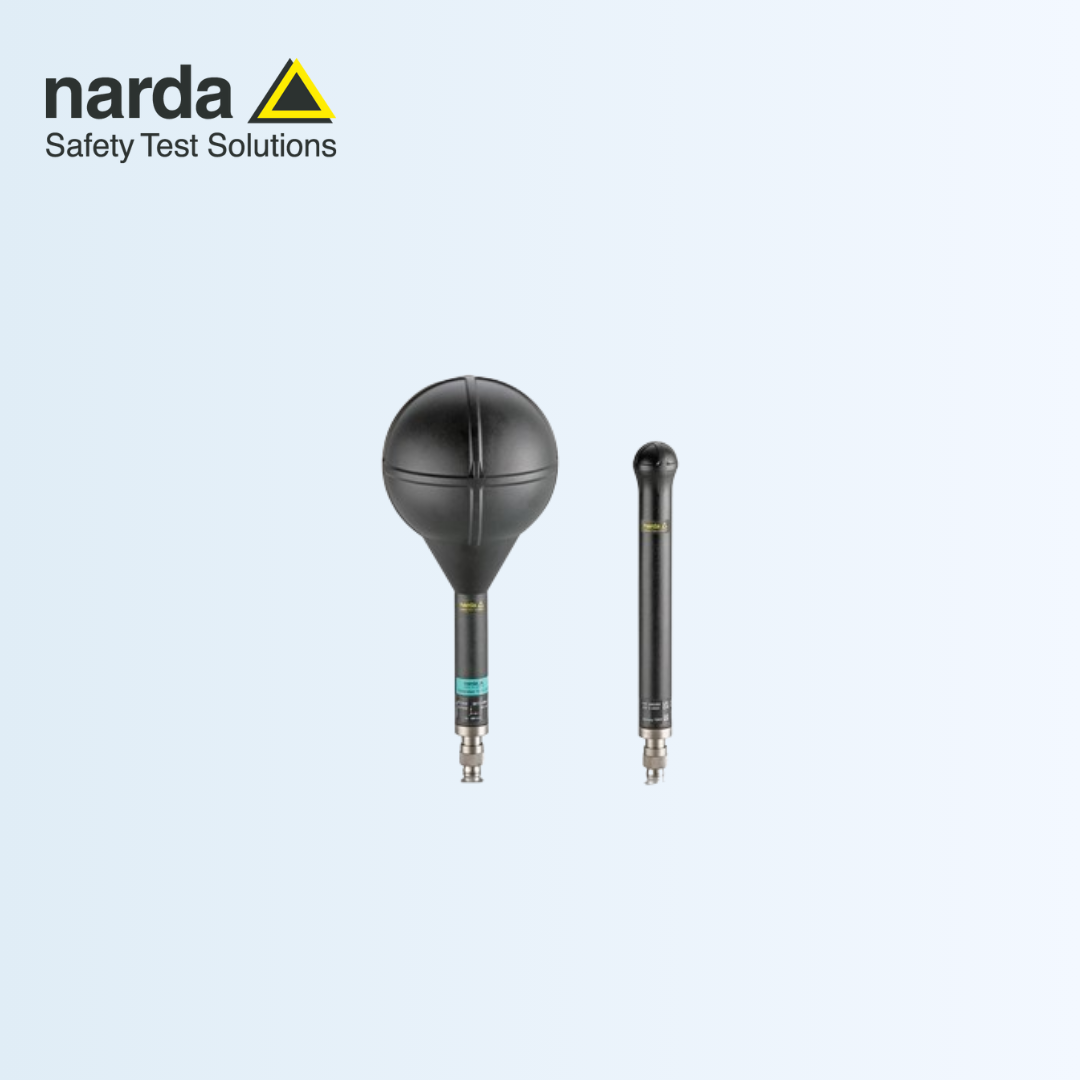
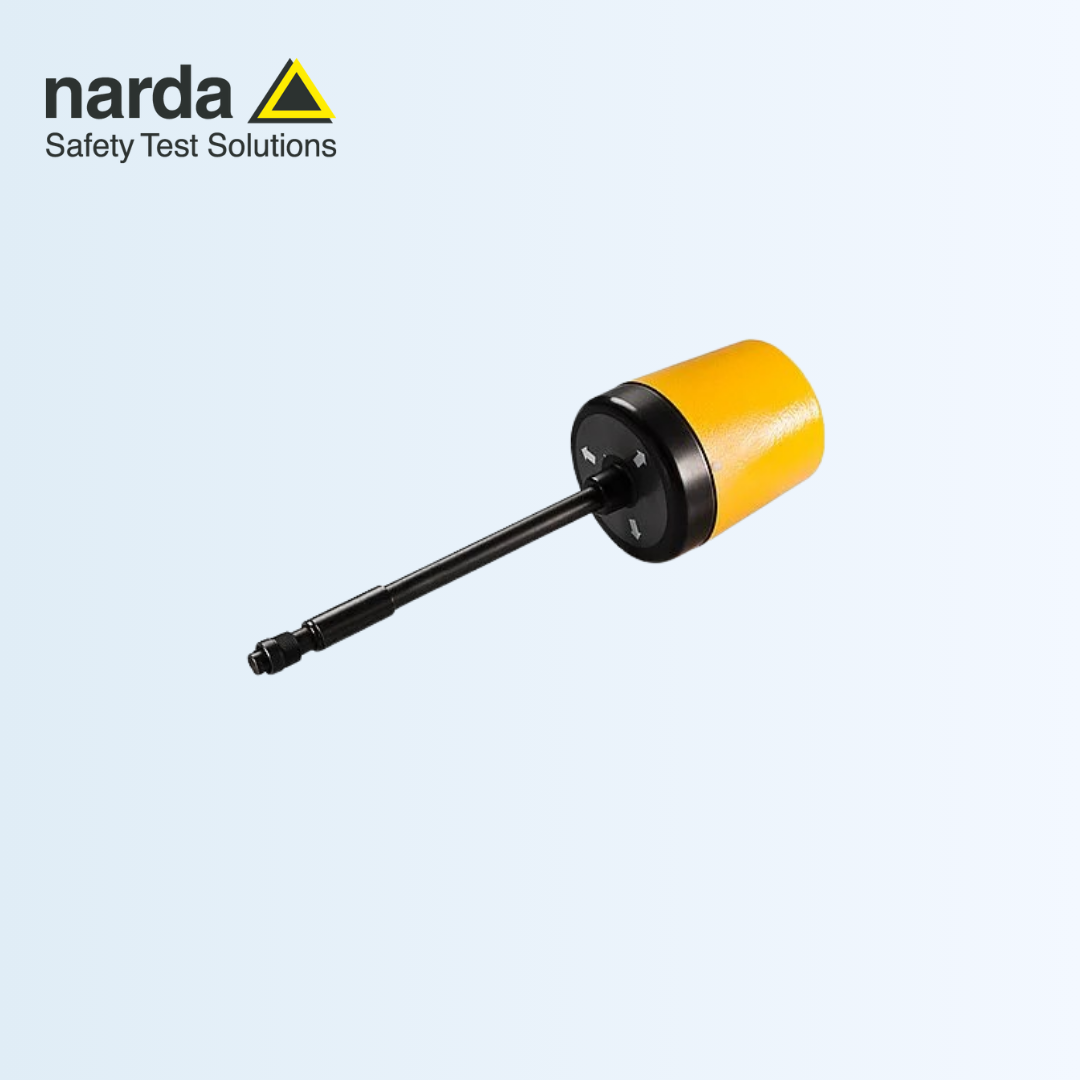
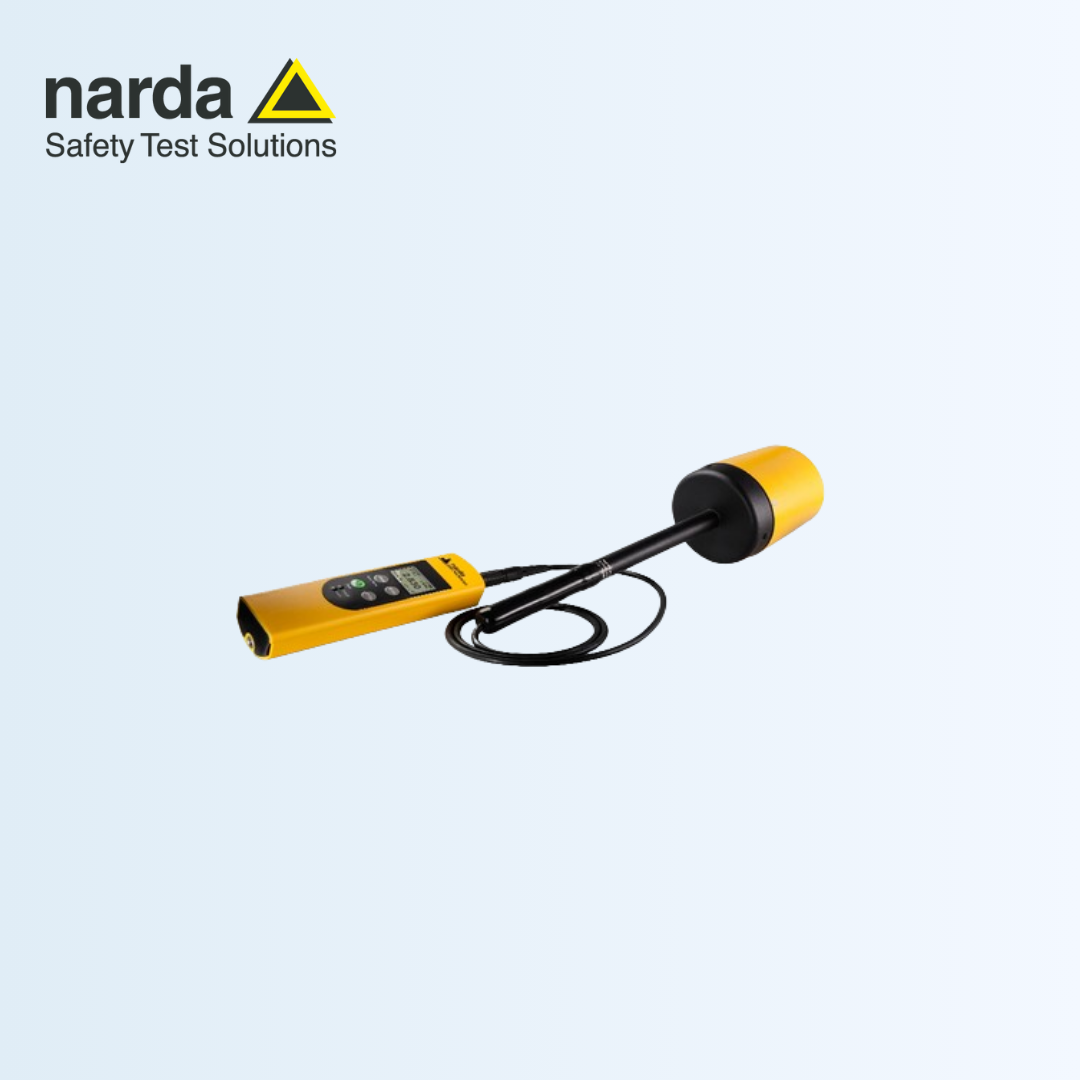
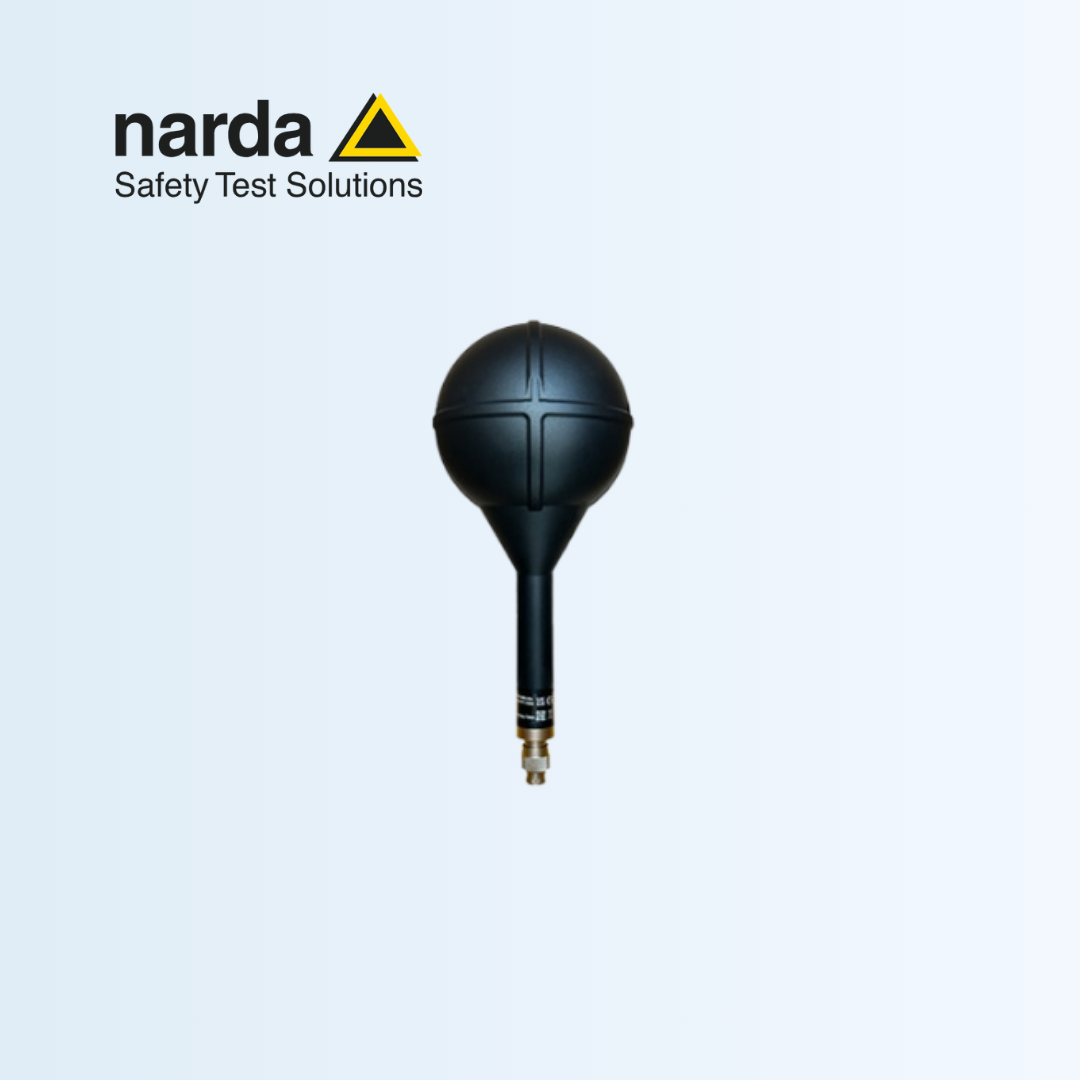
- Supports both electric field (E-field) and magnetic field (H-field) measurement depending on probe model
- Isotropic (tri-axial) design — full spatial coverage without directional dependency
- Digital probe interface with automatic probe identification and parameter transfer — simplifies setup and reduces user error
- Automatic zero-point adjustment — no manual calibration needed at meter level, only probe calibration required
- High dynamic range — allows measurement of both very weak and relatively strong fields
- True-RMS or CW measurement capability depending on probe — supports measurement of complex or pulsed signals
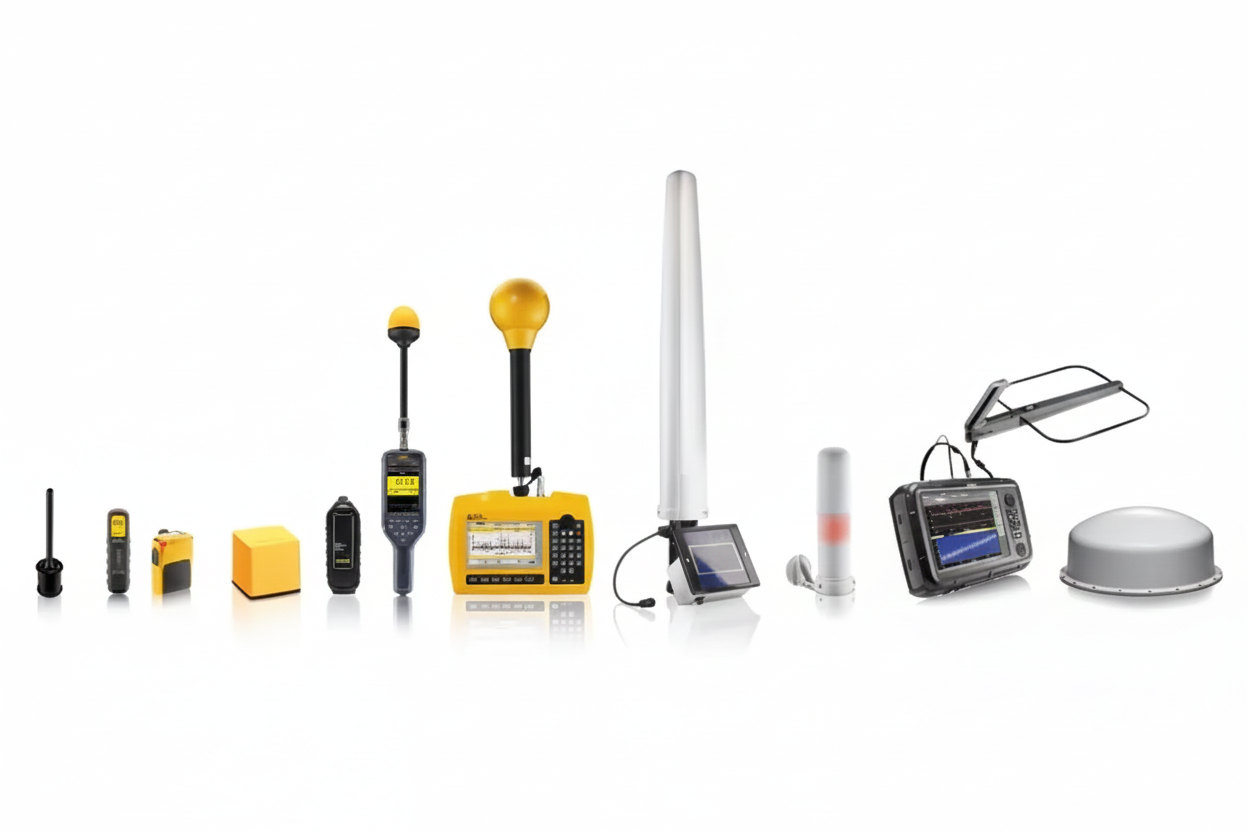
- Modular — wide variety of probes available, so you can choose based on frequency band and application (broadcast, telecom, radar, industrial, etc.)
- Backwards compatibility — older probes can still be used via appropriate converter or basic meter (in supported systems)
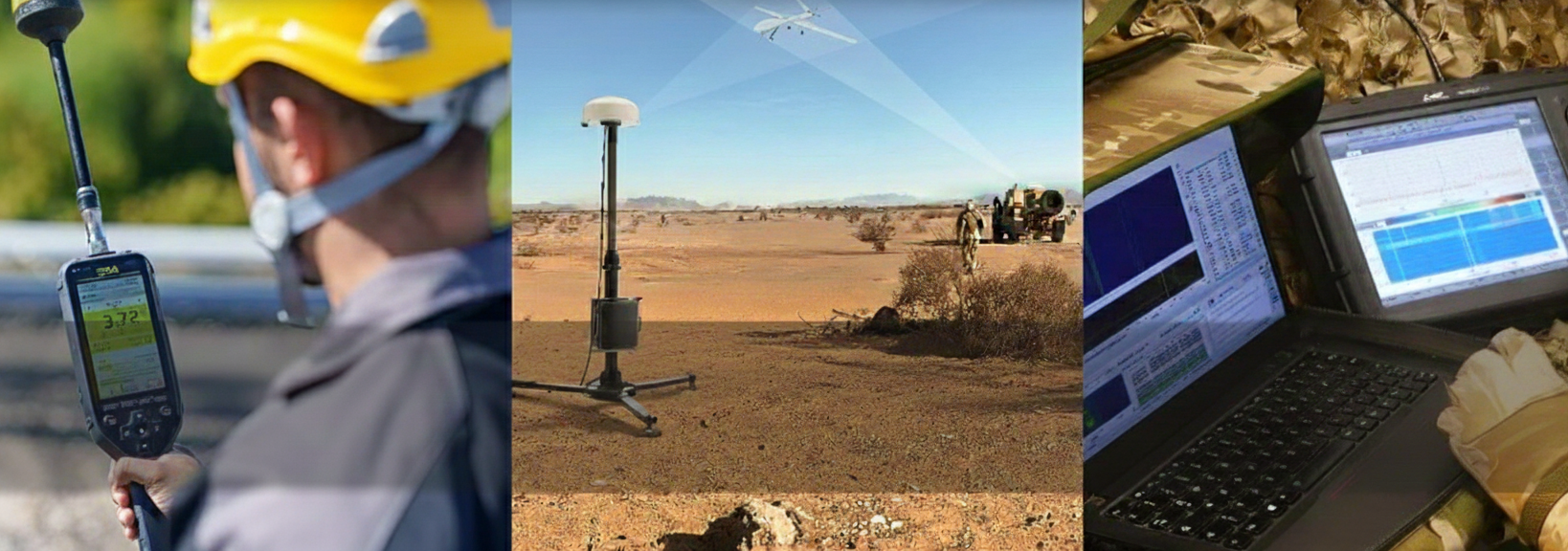
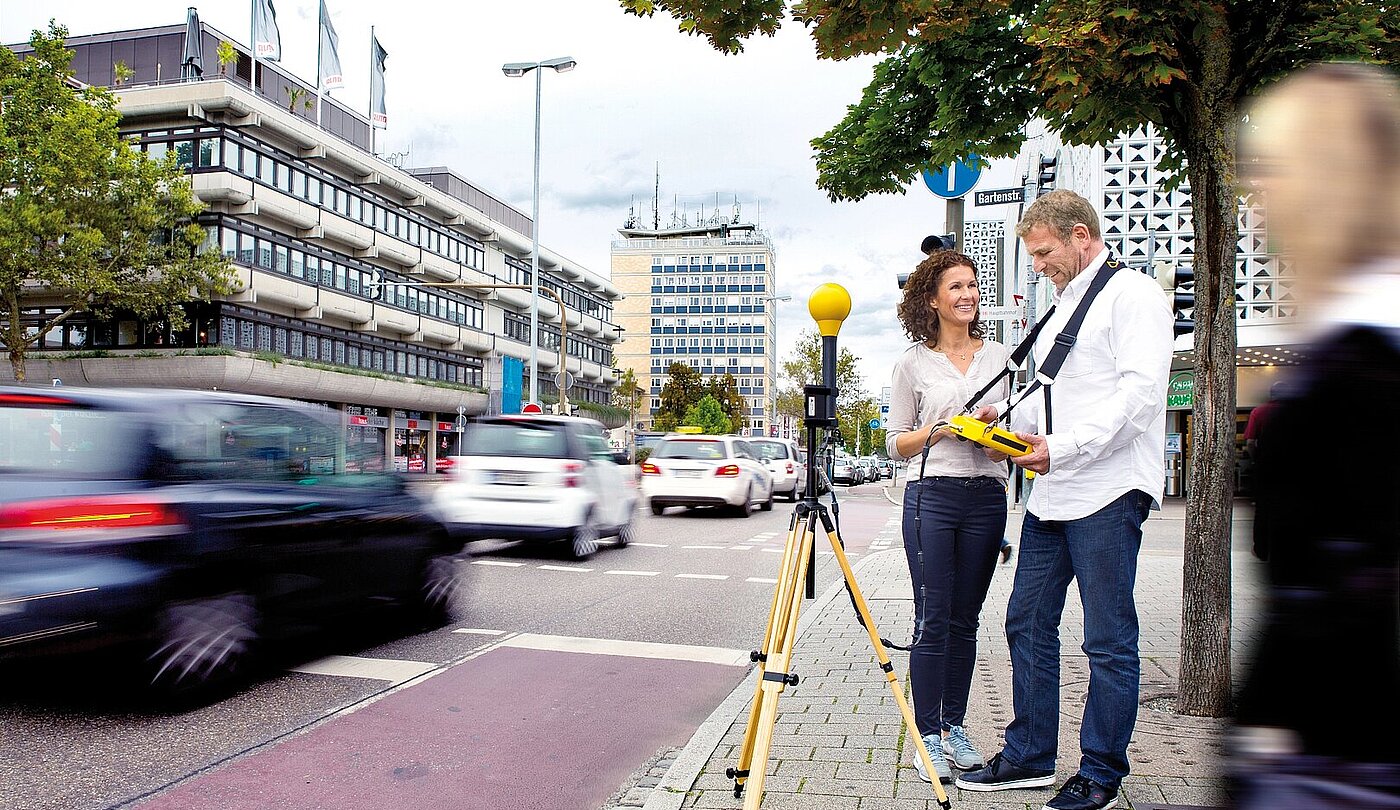
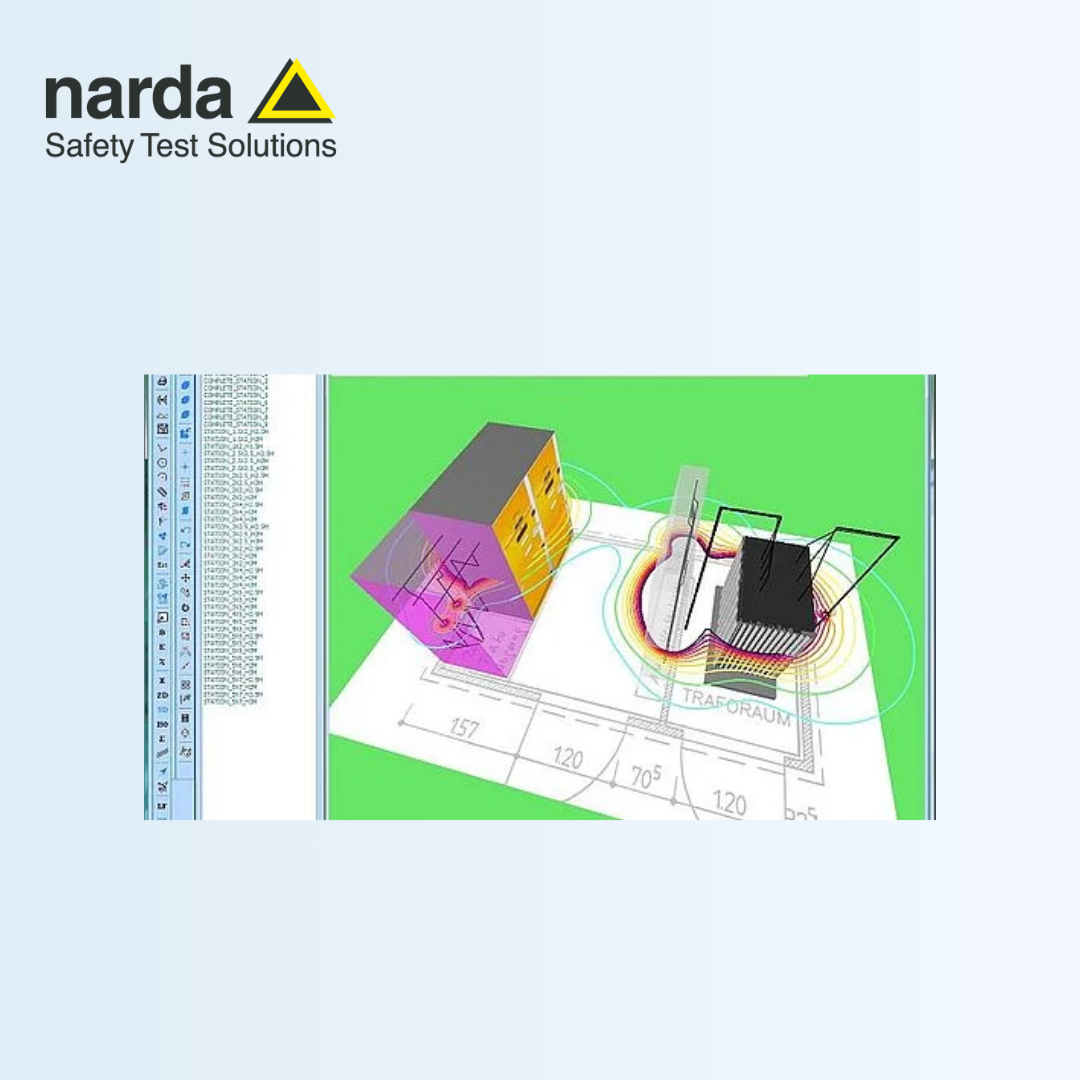
EFC-400 Software
EMF - Broadband measuring devices
EFC-400 simulation software - Calculation of low-frequency electromagnetic fields The EFC-400 software has been established for many years as a quasi-industry standard for the calculation and simulation of electric and magnetic fields. The program can be used to calculate the corresponding electromagnetic fields using an almost unlimited number of network elements such as conductors, line sections, buildings and antennas. The software, which is used worldwide, is characterized by its user-friendliness and efficiency. For example, users can create or import all the necessary network elements themselves. The software clearly displays all elements together with the simulation result.
Features
Key capabilities and advantages
Specification
Technical specifications and parameters
| Frequency range (all applications) | 0 Hz (DC) – 100 GHz |
| Probe type (field) | E-field probes (electric field) or H-field probes (magnetic field) — depending on model |
| Measurement characteristic | Isotropic (non-directional) — measures field independent of direction |
| Automatic zero adjustment | Yes (automatic zero point adjustment built into probe interface) |
| Probe interface | Digital probe interface — probe transfers its parameters/data to meter automatically |
| Dynamic range (typical mid-band probe example) | Approx. 55 dB (example for high-frequency E-field probes) |
| Measurement range example (E-field HF probe) | 0.7 to 400 V/m (continuous wave) / 0.7 to ~61.4 V/m (true RMS) — for probe EF-9091 (100 MHz–90 GHz) |
| Alternative measurement range example (E-field mid probe) | 0.8 to 1300 V/m (for probe EF-0392, 100 kHz–3 GHz) |
| H-field probe frequency range example | 27 MHz – 1 GHz (for H-field probe HF-0191) |
| H-field probe measurement type | isotropic, three-axis coils, RMS or CW measurement (depending model) |
Other Product
Chat Us