








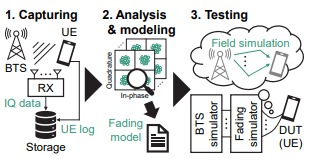
Overview of Field Simulation Test (FST) The FST solution improves device testing by simulating real field radio environments in the laboratory. Instead of repeating costly and time-consuming field tests, it enables repeatable testing under consistent conditions. The process consists of three steps: capturing field signals and UE logs, analysis and modeling to generate fading models from IQ data, and testing using BTS and fading simulators to evaluate device connectivity.
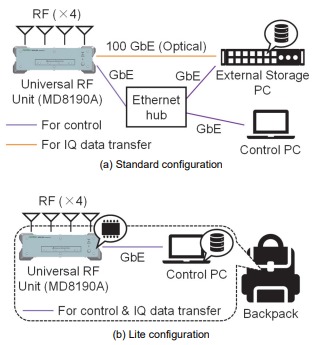
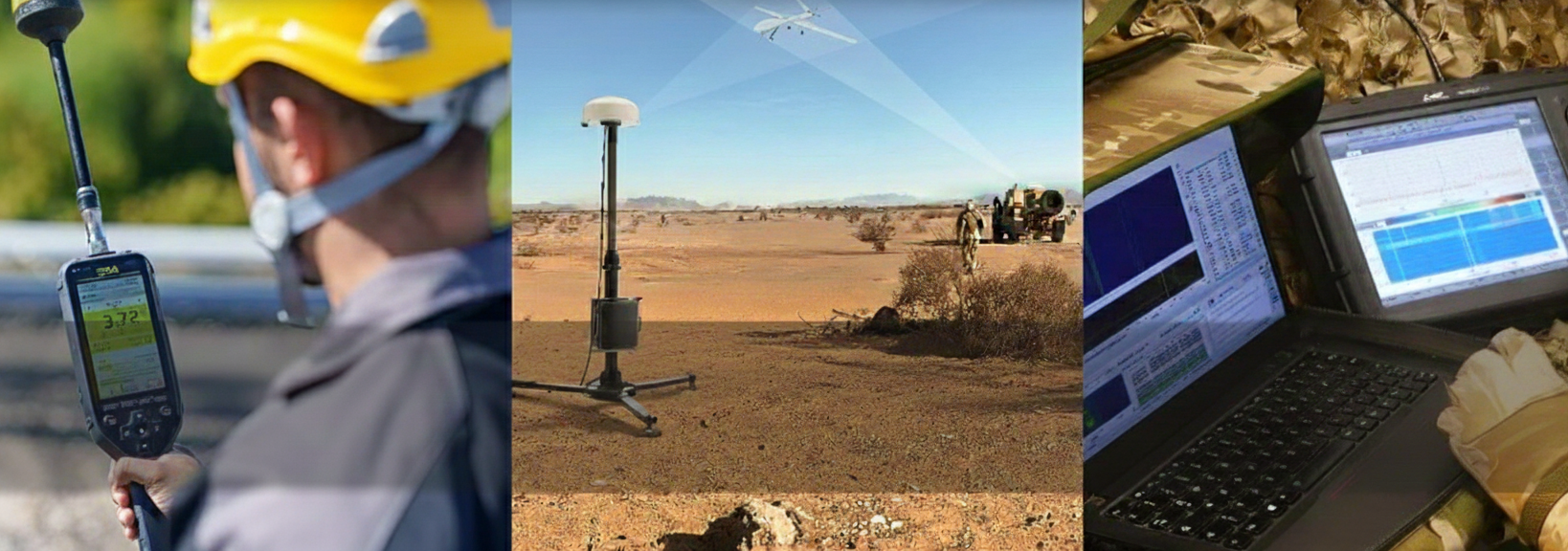
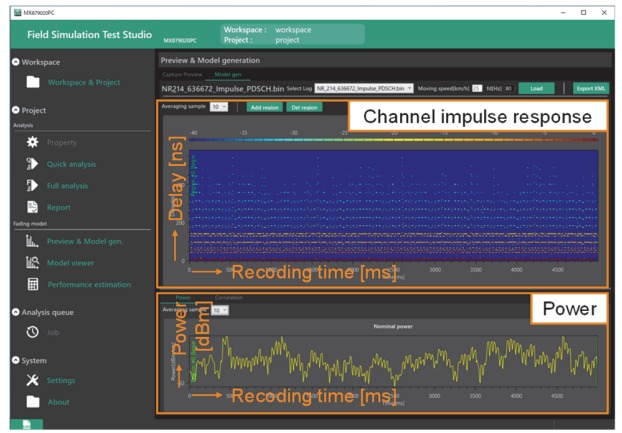
Capturing The FST solution captures real field signals to recreate radio propagation environments in the laboratory, enabling consistent and repeatable device testing. In the capturing stage, RF signals from base stations are recorded as IQ data using the RF Air Monitor System, which includes a Universal RF Unit, storage PC, and control PC. The system supports standard and portable (lite) configurations, captures signals from 0.4–6 GHz with up to 100 MHz bandwidth, and allows real-time monitoring of signal power and spectrum through Log Capture Control Software.
Testing At the testing stage, the MT8000A simulates NR and LTE base station behavior using the generated fading model to evaluate device connectivity. Controlled by Rapid Test Designer (RTD), this setup enables repeatable laboratory testing under real field-like conditions.
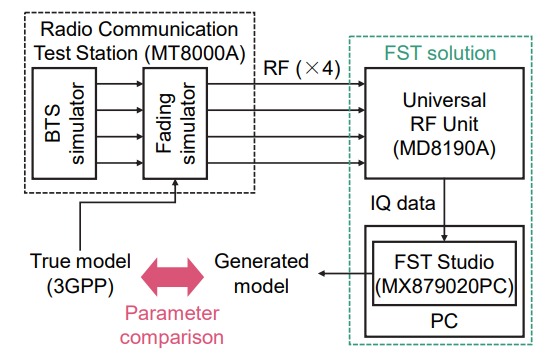
Fading Model Accuracy An experiment was conducted to verify the accuracy of fading model generation. Signals passing through a known fading channel were captured as IQ data using the FST solution, then analyzed to create a fading model. The results showed that key parameters such as K-factor, RMS delay spread, and antenna correlation closely matched the original 3GPP TDL-A model, confirming the model’s accuracy.
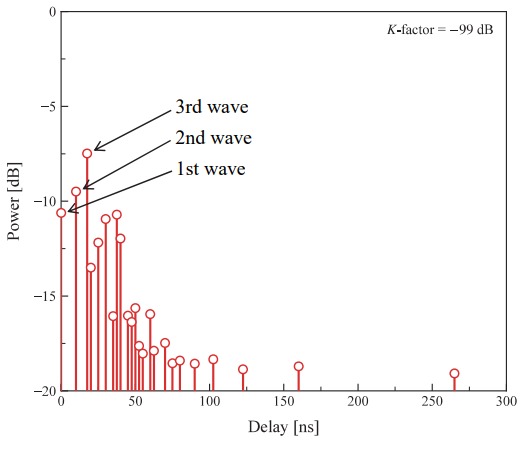
Field Usage Example In a real field test, 5G NR sub-6 GHz signals were captured in a suburban NLOS environment and analyzed to generate a fading model. The results showed a K-factor of −99 dB and an RMS delay spread of 38 ns, consistent with 3GPP rural macro scenarios, demonstrating that the model accurately reflects real field conditions for laboratory testing.
The Field Simulation Test (FST) solution improves mobile device testing by recreating real field environments in the laboratory using fading models generated from captured BTS signals. The results show accurate modeling of key parameters and successful replication of 5G NR NLOS environments, enabling more efficient and repeatable device testing.
Thank you for reading. Stay tuned for more updates from PT Unitronic Jaya.